
Menopause and Hair Loss: What Changes & What to Do
Read about
- Hair thinning during menopause results from hormonal changes affecting follicles.
- Menopausal hair loss appears as gradual thinning and increased shedding.
- Hormones like estrogen and progesterone influence hair growth and density.
- Adapt hair care routines to support healthy growth and minimize thinning.
- Clarins offers nourishing products to enhance scalp and hair health.
Understanding Menopausal Hair Loss
Menopausal hair loss occurs due to hormonal fluctuations. Estrogen and progesterone levels decrease, affecting hair follicles. Hair appears thinner and sheds more frequently. You may notice:
- Reduced hair density
- Increased hair shedding
- Thinning at the crown or temples
Recognizing these changes helps in adapting your hair care routine effectively.
Hormonal Impact on Hair
Hormones play a crucial role in hair growth. Estrogen supports hair density, while progesterone affects the hair cycle. During menopause, their decline leads to thinner hair. This change impacts both women and men.
Scientific studies confirm the link between hormonal changes and hair thinning. A study in the Journal of Clinical Endocrinology & Metabolism highlights estrogen's role in hair growth. Another research in the International Journal of Trichology discusses progesterone's influence on hair density.
Understanding this hormonal shift allows us to tailor our approach. We focus on nourishing the scalp and strengthening hair to combat thinning.
Adapting Your Hair Care Routine
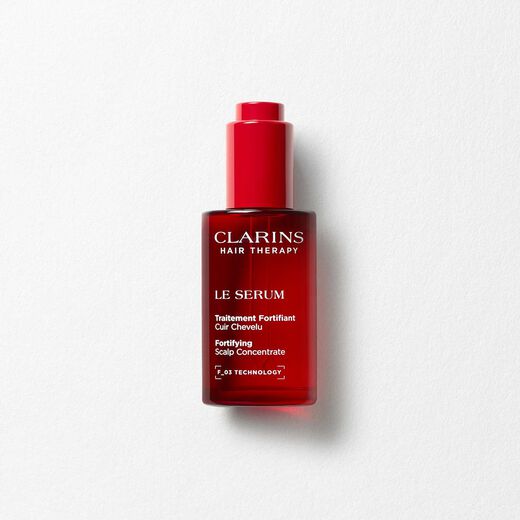
Adjusting your hair care routine during menopause supports healthy growth. Incorporate products like
Apply the oil to dry or damp hair, focusing on lengths and ends. This ritual enhances hair's natural beauty and vitality.
Regular use of nourishing products helps maintain scalp health. A healthy scalp supports robust hair growth.
Supporting Healthy Hair Growth
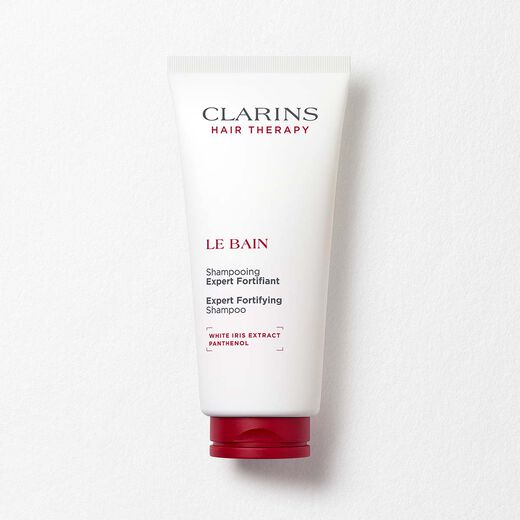
Healthy hair growth during menopause requires targeted care. Products like
Use the shampoo regularly to remove impurities and refresh the scalp. A balanced, nourished scalp lays the foundation for robust hair growth.
Consistent care and the right products contribute to hair vitality. Embrace a routine that focuses on nourishment and protection.
What to Do if Hair Is Getting Thinner
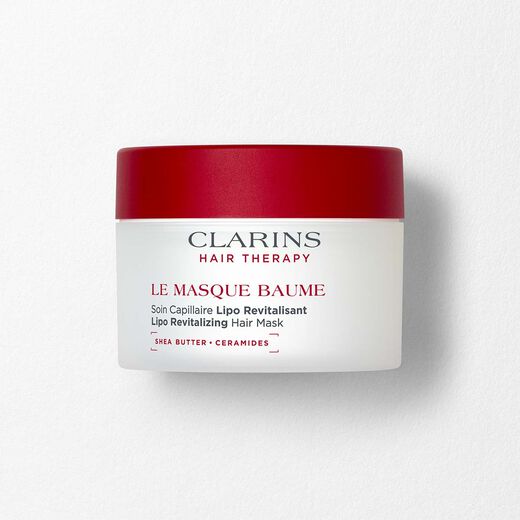
If hair thinning becomes noticeable, focus on maintaining scalp health. Regular use of nourishing oils and gentle shampoos helps. Consider products like
Apply liberally on hair to shield from environmental stressors. This proactive approach supports hair resilience and vitality.
Menopausal hair loss requires understanding and adaptation. By embracing nourishing care, we support healthy hair growth and minimize thinning.
FAQ: Menopause and Hair Loss: What Changes & What to Do
Is hair loss normal during menopause?
Yes, hormonal changes during menopause can lead to hair thinning and increased shedding.
How do hormones affect hair during menopause?
Decreased estrogen and progesterone levels impact hair density and growth cycles, leading to thinning.
Can menopause cause hair shedding?
Yes, menopause can increase hair shedding due to hormonal fluctuations affecting follicles.
Shop related products

Body & Hair care
Revitalise your daily skincare routine with expert guidance.

Face
Explore methods to achieve a radiant glow for any skin type.

Eye care
Expert eye skincare advice for timeless beauty.

Make up
Enhance your beauty with a touch of make-up.

Men
For men seeking low-maintenance daily skincare.

