
Oily T-Zone: causes, tips and the best skincare routine
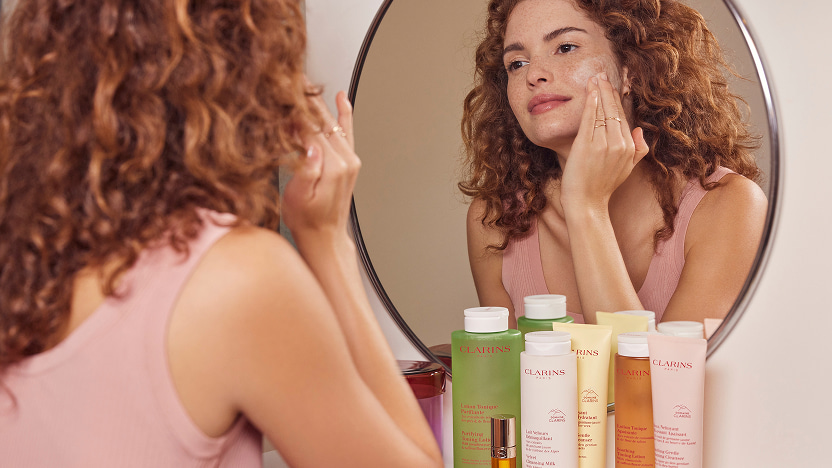
A shiny forehead, a greasy nose, a chin that catches the light by mid-morning — if this sounds familiar, you likely have an oily T-zone. It's one of the most common skin concerns, and one of the most misunderstood. The good news? With the right skincare routine and a few habits, you can keep shine under control and enjoy healthy-looking skin throughout the day.
What is the T-zone?
The T-zone refers to the area of the face shaped like the letter T: the forehead, nose and chin. This zone contains a higher concentration of sebaceous glands than the rest of the face, which means it naturally produces more sebum — the skin's protective oil. For many people, the cheeks and outer areas of the face remain relatively normal or even dry, while the T-zone stays persistently oily and shiny.
This pattern is the hallmark of combination skin, though people with oily skin types will typically experience shine across the entire face, not just the T-zone.
What causes an oily T-zone?
Understanding what drives excess oil in the T-zone helps you address it more effectively. Several factors influence sebum production:
Genetics: The number and activity of your sebaceous glands is largely determined by genetics.
Hormones: Hormonal fluctuations are one of the most common triggers for increased oil production. Puberty, menstruation, pregnancy and stress can all cause the sebaceous glands to produce more sebum, leading to a shinier, greasier appearance and a higher risk of acne breakouts and blemishes.
Seasonal changes and hot weather: Heat and humidity stimulate sweat and oil glands, which is why the T-zone tends to feel more oily during the summer months.
Stripping the skin: Paradoxically, over-cleansing or using harsh skincare products can make oily skin worse. When the skin's protective barrier is disrupted, oil glands respond by producing more sebum to compensate. Washing too frequently or using drying formulas can trigger this cycle of increased oil production.
Heavy or pore-clogging products: Using skincare or makeup that isn't formulated for oily skin types can block pores, trap dirt and sebum, and worsen the appearance of enlarged pores and visible pores over time.
Oily T-zone vs oily skin: what's the difference?
It's easy to confuse an oily T-zone with fully oily skin, but the distinction matters for how you
With an oily T-zone (combination skin), shine is concentrated on the forehead, nose and chin, while other areas, particularly the cheeks, may feel normal, dry or even have dry patches. With oily skin, excess sebum is present across the entire face, including the cheeks.
The question to ask yourself: are your cheeks shiny too, or just the T-zone? If it's the latter, combination skin is the more accurate description, and your routine should reflect that.
The best skincare routine for an oily T-zone
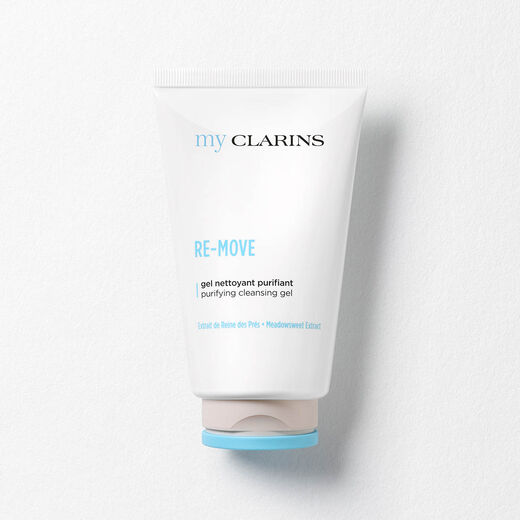
Gentle face wash
Cleansing is the foundation of any routine for oily or combination skin. Choose a gentle face wash or foaming face wash that removes excess oil, dirt and makeup without stripping the skin. A gel-based
Cleanse morning and evening, but resist the temptation to wash more frequently. Over-washing disrupts the protective barrier and can trigger even more sebum production in areas prone to shine.
Oil-free moisturiser
Moisturising is non-negotiable, even for an oily face. Skipping this step leads to dehydration, which signals the oil glands to produce more sebum to compensate, making the T-zone shinier than ever. Opt for an oil-free, lightweight moisturiser or a gel cream that keeps skin hydrated without adding to oiliness or clogging pores.
Look for hydrating ingredients such as
Salicylic acid treatment
Incorporate a salicylic acid
Mattifying cream or SPF
During the day, a mattifying cream or a non-comedogenic
Make-up tips for an oily T-zone
If you wear makeup, choosing the right products makes a significant difference. Opt for non-comedogenic, oil-free foundations and primers that are formulated for combination or oily skin. A mattifying primer applied to the T-zone before foundation helps to control shine and extend wear time throughout the day.
Setting powder applied lightly to the forehead, nose and chin after foundation locks everything in place and absorbs excess sebum as the day goes on.
4 tips for managing an oily T-zone throughout the day
-Use blotting papers or blotting sheets: Blotting papers are a quick, effective way to absorb excess oil on the go without disturbing your makeup. Simply press gently onto shiny patches rather than rubbing, which can spread oil and disrupt the skin. Keep a packet in your bag for midday touch-ups.
-Avoid touching your face: Hands transfer dirt, bacteria and oil onto the skin, which can clog pores and worsen blemishes. Try to avoid resting your face on your hands or touching the T-zone throughout the day.
-Adapt your routine by season: In the summer months or hot weather, you may need to switch to lighter formulas, cleanse more carefully and use blotting sheets more regularly. In winter, the T-zone may calm down while other areas become drier, requiring a slightly more nourishing approach on the cheeks.
-Be consistent: Results from a good skincare routine take time. Stick with your products for at least four to six weeks before assessing whether they're working. Chopping and changing too frequently can unsettle the skin and make oiliness harder to manage.
Not sure which products are right for your T-zone? The
You might like
Best-seller
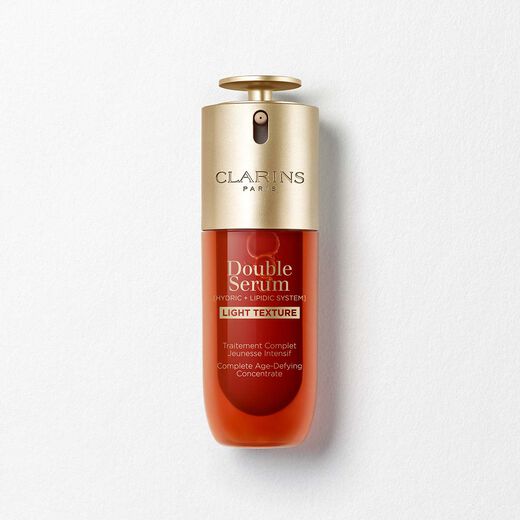
DOUBLE SERUM Light Texture - Anti-Ageing Serum
50 ml
Double Serum Light Texture offers anti-ageing action and a bare skin effect. It is adapted to the needs of all skin types, even the most sensitive, and particularly combination to oily skin.

Body & Hair care
Revitalise your daily skincare routine with expert guidance.

Face
Explore methods to achieve a radiant glow for any skin type.

Eye care
Expert eye skincare advice for timeless beauty.

Make up
Enhance your beauty with a touch of make-up.

Men
For men seeking low-maintenance daily skincare.

