
Dry skin patches on the face: What they mean and how to treat them

Dry or rough patches on the face, sometimes appearing as dry patches on face or flaky skin on face, can show up at any time of year. These areas often feel tight, uneven or uncomfortable, and may make your complexion look less smooth or radiant.
If this sounds familiar, you’re not alone. Skin naturally reacts to shifts in weather, your surroundings and your routine. With a few Clarins-approved steps, you can help restore comfort and softness while supporting your skin’s natural moisture balance.
Read about
Why facial skin can feel dry or rough
Facial skin is constantly exposed to external elements, which can impact hydration and surface comfort. When the skin lacks moisture or nourishment, it may feel:
- Tight or dehydrated
- Rough or uneven
- Flaky or peeling
- Less supple
- Dull or fatigued
These sensations are usually temporary and signal that the skin’s natural barrier needs extra support.
Environmental triggers that can lead to dry patches
- Cold or windy weather
- Indoor heating
- Low humidity
- Air conditioning
- UV exposure (even through clouds)
- Rapid temperature changes
These factors influence how well the skin maintains moisture throughout the day.
Lifestyle habits that can affect hydration
Small daily habits can make dry patches or flaky areas more noticeable:
- Long, hot showers
- Not drinking enough water
- Stress or irregular sleep
- Over-cleansing
- Switching products too quickly
Supporting the skin barrier with gentle textures and hydration helps keep the complexion soft and comfortable.
How to care for dry or rough patches
Below is a simple, effective routine created with Clarins expertise to hydrate, smooth and comfort the skin.
1. Cleanse gently without stripping the skin
Choose cleansers that refresh without leaving the skin tight or uncomfortable.
Clarins recommends:
Clarins tip: cleanse morning and evening, but avoid over-washing.
2. Restore moisture with deep hydration
Hydration is essential for improving the feel of dry or rough areas.
Hydrating essentials:
-
These formulas help the skin feel smoother, more supple and comfortable.
3. Add nourishment for lasting comfort
Nourishing ingredients help support the skin’s protective surface and maintain moisture over time.
Clarins favourite:
Blending a few drops of oil with your night cream boosts comfort and sensoriality.
4. Exfoliate gently to improve skin texture
Gentle exfoliation helps soften flaky areas and leaves the skin looking smoother.
Clarins recommends:
Use once or twice a week.
5. Boost hydration with a mask
Hydrating masks offer quick relief and support a more supple, comfortable complexion.
Try:
This mask helps the skin feel refreshed and soothed after just a few minutes.
6. Protect your skin each day
Daily protection helps prevent dryness returning.
Include:
- A moisturiser suited to your skin type
- SPF during the day
- A hydrating mist for on-the-go comfort
Maintaining moisture helps keep the skin smooth and comfortable throughout the seasons.
A simple daily routine for dry facial areas
Morning:
- Gentle cleanser to refresh the skin without stripping moisture
- Hydrating serum to add an extra layer of moisture and prepare the skin for your day cream
- Day cream to support the skin barrier and help maintain hydration throughout the day
- SPF to protect the skin from UV exposure, which can contribute to dryness
Evening:
- Soft cleansing milk or mild foaming cleanser to remove makeup, impurities and SPF while respecting the skin’s balance
- Gentle exfoliation (1-2x weekly) to help smooth flaky areas and improve texture without irritating the skin
- Nourishing night cream to provide deep comfort as the skin recovers overnight
- Nourishing face oil, applied alone or mixed with your night cream, for an extra layer of comfort
Consistency helps the complexion feel soft, hydrated and radiant.
When to adjust your routine
If your skin feels more uncomfortable than usual, try:
- Choosing a richer texture
- Increasing hydration with a mask
- Reducing exfoliation
- Adding an oil at night
- Drinking more water
- Using a humidifier in winter
Even small changes can make a visible difference.
How do I get rid of dry spots on my face?
Dry or rough areas often appear when the skin’s moisture barrier needs support. Start with a gentle cleanser, add a hydrating serum, and finish with a nourishing cream. A face oil at night or a weekly hydrating mask can help maintain moisture and restore comfort.
Why do I have dry patches on my face?
Dry patches may be caused by weather changes, indoor heating, harsh cleansers or low hydration. Stress, travel or routine changes can also play a role. A richer cream and a gentler routine often help the skin feel comfortable again.
FAQ
Can dry patches on the face appear suddenly?
Yes. Dry areas can appear quickly when the skin is exposed to cold winds, indoor heating, low humidity or sudden temperature changes. These patches are usually temporary and simply signal that the skin needs extra moisture and a gentler routine.
Do hot showers make dry patches worse?
Yes. Long or very hot showers can remove natural lipids from the skin’s surface, leaving it feeling tighter and drier. Switching to warm water and keeping showers shorter can help maintain hydration and comfort.
Will exfoliating help with flaky or rough areas?
Yes, if done gently. Soft exfoliation once or twice a week helps lift surface flakes and smooth texture. Harsh or frequent exfoliation can cause further discomfort, so gentle formulas like Comfort Scrub or Fresh Scrub work best.
Shop related products
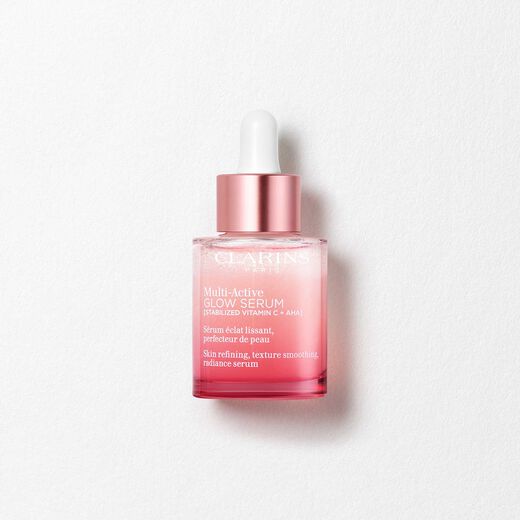
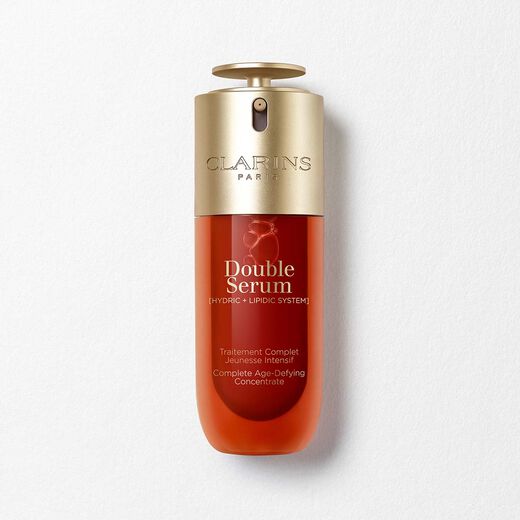
![Hydra-Essentiel [HA2] Rich Cream](https://www.clarins.ie/dw/image/v2/AAFS_PRD/on/demandware.static/-/Sites-clarins-master-products/default/dwa2b51dc0/original/80092158_original_original_PLP.jpg?sw=520&sh=520 "Hydra-Essentiel [HA2] Rich Cream")

Body & Hair care
Revitalise your daily skincare routine with expert guidance.

Face
Explore methods to achieve a radiant glow for any skin type.

Eye care
Expert eye skincare advice for timeless beauty.

Make up
Enhance your beauty with a touch of make-up.

Men
For men seeking low-maintenance daily skincare.

