
Pregnancy mask: why it appears and how to prevent it
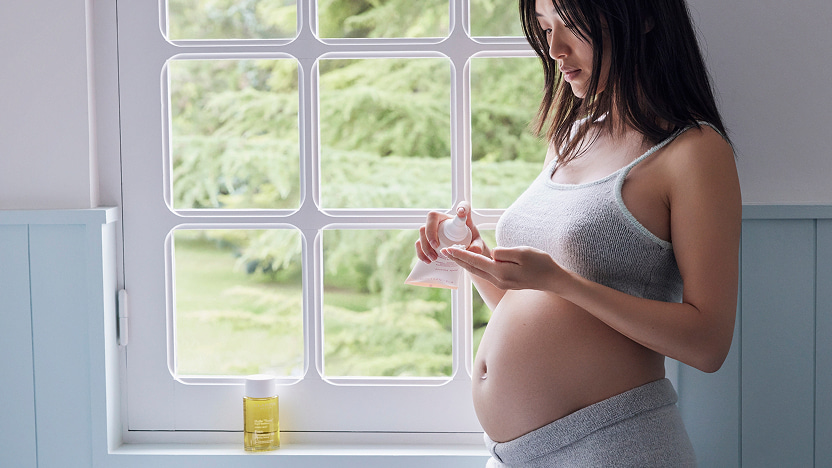
If you've noticed brown patches appearing on your face during pregnancy, especially across your forehead, cheeks, or upper lip, you're not alone. This common skin change, known as the pregnancy mask or melasma, affects up to half of pregnant women in some populations. It's completely harmless and often temporary, but understanding why it happens and how to manage it can help you feel more confident throughout your pregnancy.
What is the pregnancy mask?
The pregnancy mask, also called melasma, refers to brown or grey-brown patches that appear on sun-exposed areas of your face during pregnancy. You'll most often see them on your forehead, cheeks, nose, upper lip, and chin. These patches happen when your skin produces excess melanin, the pigment that gives skin its colour. Existing freckles may darken, and new patches can appear where there were none before.
Melasma usually shows up during the second trimester, around the fourth to sixth month of pregnancy, though it can appear earlier or even after delivery. Women with olive or darker skin tones are more susceptible, but it can affect anyone.
Why does it appear during pregnancy?
Pregnancy mask happens when hormones, genetics, and sun exposure combine to overstimulate the pigment-producing cells in your skin. This isn't something you've caused, it's simply how some bodies respond to pregnancy.
During pregnancy, rising levels of oestrogen and progesterone trigger your skin to produce more melanin. UV radiation from the sun makes it worse, darkening existing patches and encouraging new ones.
You're more likely to develop pregnancy mask if you have:
-A family history of melasma
-Darker skin tone
-Had it in a previous pregnancy
-Spend a lot of time in the sun
If you've had melasma before, it will likely return in future pregnancies, especially without consistent sun protection.
How to prevent pregnancy mask (or stop it getting worse)
Prevention and daily habits are your strongest tools. Even if patches have already appeared, consistent protection can reduce their intensity.
Sun protection is essential
Wear a
Choose a gentle, pregnancy-safe sunscreen. Mineral formulas with zinc oxide or titanium dioxide work well for sensitive skin, or opt for lightweight chemical filters if you prefer an invisible finish.
Physical protection helps too
-Wear a wide-brimmed hat during peak sun hours (10 a.m. to 2 p.m.)
-Use sunglasses with UV protection
-Seek shade whenever possible
Keep a simple skincare routine
Use
Consider vitamin D
Strict sun avoidance can lower vitamin D levels during pregnancy. Speak with your doctor about testing and supplementation if needed.
Safe skincare during pregnancy
During pregnancy, safety comes first. The goal is to gently care for your skin and prevent brown spots from worsening.
Pregnancy-safe ingredients you can consider:
-Topical
-Azelaic acid (often recommended by dermatologists for pigmentation)
Always check with your GP or dermatologist before introducing new active ingredients during pregnancy. Avoid retinoids, hydroquinone, aggressive chemical peels, lasers, and IPL treatments. These should be reserved for after delivery and breastfeeding.
At Clarins, our plant-based formulas respect your skin's natural balance. Soothing botanicals like
If brown patches are affecting your confidence, a
What happens after birth?
Pregnancy mask often fades naturally within 6 to 18 months after delivery as hormones normalise. Consistent sun protection helps speed this up.
If it persists after breastfeeding, your dermatologist can suggest treatments like depigmenting creams, chemical peels, or laser therapy. Year-round SPF remains essential even after treatment, melasma has a tendency to return.
FAQ
Does pregnancy mask mean my baby will have birthmarks?
No. Pregnancy mask is a skin change in the mother caused by hormones and sun exposure. It has no connection to your baby's skin or the likelihood of birthmarks.
Can pregnancy mask appear on other parts of my body?
Yes, though it's less common. Some women notice darker patches on their neck, forearms, or décolleté, especially on areas that get regular sun exposure. The same prevention tips apply: SPF, protective clothing, and shade.
Will my pregnancy mask get worse with each baby?
It might. Women who've had melasma in one pregnancy often see it return in subsequent pregnancies, sometimes more intensely. Starting strict sun protection early, even while trying to conceive, can help minimise it.
Should I be worried if my dark patches look uneven or change shape?
Melasma is typically symmetrical and flat. If you notice irregular borders, multiple colours, rapid changes, or any bleeding, see a dermatologist promptly. While melasma is harmless, it's always better to rule out other conditions.
You might like

Body & Hair care
Revitalise your daily skincare routine with expert guidance.

Face
Explore methods to achieve a radiant glow for any skin type.

Eye care
Expert eye skincare advice for timeless beauty.

Make up
Enhance your beauty with a touch of make-up.

Men
For men seeking low-maintenance daily skincare.

