
What is a serum?

If you have ever wondered whether a
What is a serum and how does it work?
A serum is a lightweight, highly concentrated
Because serums contain potent ingredients at a higher concentration than most creams, they are able to target specific skin concerns more effectively. A few drops applied morning or evening can make a meaningful difference to skin texture, radiance, and overall resilience over time.
What can a serum do for your skin?
Most serums are designed to target one or two concerns at a time, which is why choosing the right one for your specific needs matters. If you have multiple concerns, layering serums is possible, though it is generally recommended to use no more than two at a time, applying the lightest texture first.
Ingredients to look for in a serum
The effectiveness of a serum depends largely on its active ingredients. Here are some of the most commonly used and what they bring to the skin:
-
-
-Retinol: supports skin cell renewal and helps reduce the appearance of wrinkles and signs of ageing over time
-
-Vitamin E and ferulic acid: antioxidants that help stabilise other active ingredients and protect the skin from oxidative stress
-Ceramides: support the skin barrier and help retain moisture, particularly beneficial for dry or sensitive skin
-Green tea extract and resveratrol: plant-based antioxidants that help reduce inflammation and protect skin from environmental damage
For sensitive skin, it is worth checking that a serum is fragrance-free and free from potentially irritating actives such as high concentrations of glycolic acid or
How to use a serum: where does it fit in your routine?
A serum should always be applied after cleansing and before your moisturiser. This order ensures that the active ingredients can penetrate the skin effectively, before being sealed in by your cream.
The steps are straightforward:
- Cleanse your face thoroughly
- Apply
toner if part of your routine - Apply a few drops of serum to your fingertips, warm between your hands, and press gently onto the face and neck
- Wait a minute or two for the serum to absorb
- Follow with your moisturiser and, in the morning,
sunscreen
Some serums are best used in the morning, particularly antioxidant serums containing vitamin C, which help protect the skin from daytime environmental aggressors. Others, such as retinol-based serums, are better suited to the evening routine to support the skin's natural overnight renewal process.
Not sure which serum is right for you? Our
FAQ
Do I really need a serum if I already use a moisturiser?
Yes. A moisturiser and a serum perform different roles. A serum delivers a concentrated dose of active ingredients deep into the skin, while a moisturiser works primarily on the surface to seal in hydration and protect the skin barrier. Used together, they complement each other for better overall results.
Can I use several serums at the same time?
Layering serums is possible, but it is generally recommended to use no more than two at once. Apply the lightest texture first and allow each to absorb before applying the next. Avoid combining actives that may interact, such as retinol and high-strength acids, without professional guidance.
At what age should I start using a serum?
There is no strict rule, but from your mid-twenties onwards, incorporating a serum into your routine is a smart investment in your skin's long-term health. Starting early with a hydrating or antioxidant serum helps maintain skin radiance and resilience before the first signs of ageing appear.
Is a serum suitable for sensitive skin?
Yes, provided you choose the right formula. Look for serums specifically formulated for sensitive skin, free from artificial fragrances and potentially irritating actives. Patch testing a new serum on a small area before full application is always a good precaution.
You might like
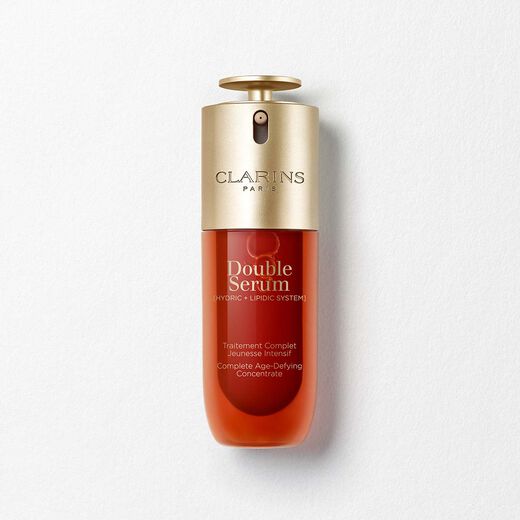
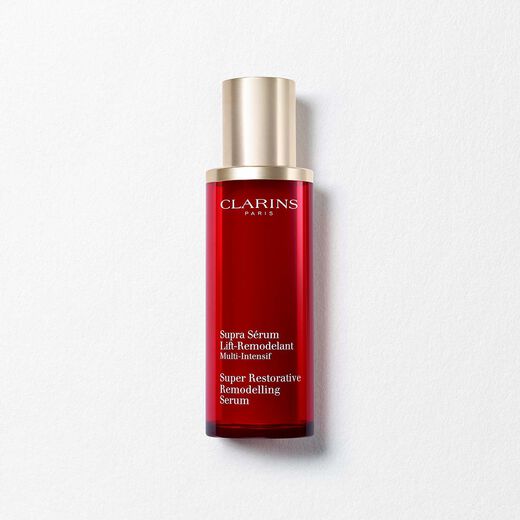
![Hydra-Essentiel [HA2] Bi-Phase Serum](https://www.clarins.ie/dw/image/v2/AAFS_PRD/on/demandware.static/-/Sites-clarins-master-products/default/dw80dac8a2/original/80092151_original_original_PLP.jpg?sw=520&sh=520 "Hydra-Essentiel [HA2] Bi-Phase Serum")

Body & Hair care
Revitalise your daily skincare routine with expert guidance.

Face
Explore methods to achieve a radiant glow for any skin type.

Eye care
Expert eye skincare advice for timeless beauty.

Make up
Enhance your beauty with a touch of make-up.

Men
For men seeking low-maintenance daily skincare.

