
Mineral vs. Chemical Sunscreen: Finding the Formula That Fits Your Skin
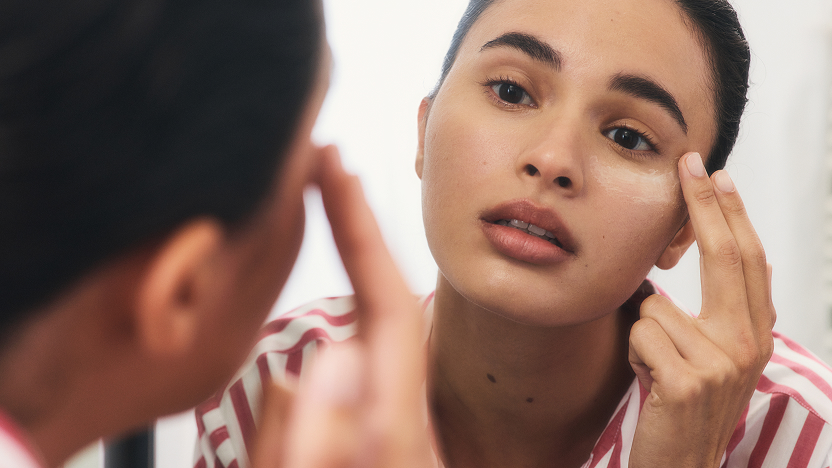
Every day, sunlight offers warmth and light - yet its invisible UV rays can quietly accelerate aging and damage beneath the surface. Sunscreen isn’t a seasonal extra; it’s your skin’s daily armor.
But which formula truly loves your skin - mineral or chemical? Let’s break it down with clarity and care.
Why Sunscreen Matters - For Every Skin Type
Think of sunscreen as your skin’s daily love language.
UVB rays burn; UVA rays age. Together, they’re responsible for premature lines, spots, and loss of elasticity. A broad-spectrum SPF shields you from both, preserving your skin’s natural radiance.
Choosing sunscreen isn’t about following trends - it’s about finding harmony: protection that feels as good as it performs.
What Is Mineral Sunscreen?
Imagine a microscopic mirror - that’s how mineral sunscreen works.
Also known as physical sunscreen, it sits on the skin’s surface, reflecting UV rays before they can penetrate. Its key ingredients - zinc oxide and titanium dioxide - are naturally derived minerals, celebrated for their gentleness and effectiveness.
If your skin tends to flush, sting, or react to fragrance, mineral sunscreen is your calm, steady companion.
What Is Chemical Sunscreen?
Chemical sunscreens act more like a sponge than a mirror. They absorb UV rays, converting them into heat that’s released from the skin’s surface.
You’ll often spot ingredients like avobenzone or oxybenzone on the label.
Loved for their lightweight textures and invisible finishes, chemical sunscreens layer beautifully under makeup and are ideal for active days outdoors. Many formulas are water-resistant, making them a go-to for swimmers, runners, and anyone who doesn’t want to think twice about reapplication.
- Mineral Sunscreen
How it works : Reflects UV rays
Key ingredients : Zinc oxide, titanium dioxide
Texture & Finish : May leave a white cast
Best for : Sensitive or reactive skin
- Chemical Sunscreen
How it works : Absorbs UV rays
Key ingredients : Avobenzone, oxybenzone
Texture & Finish : Sheer, weightless
Best for : Daily makeup wearers, active lifestyles
Mineral sunscreens are nature’s gentle defenders - protective, grounding, and kind.
Chemical sunscreens are the modern minimalists - smooth, seamless, and made for movement.
Which Sunscreen Is Best for Your Skin Type?
Let your skin type guide you:
- Sensitive skin: Go mineral - it soothes, never stings.
- Acne-prone: Zinc oxide can help calm inflammation and redness.
- Oily skin: Opt for a lightweight, matte chemical formula.
- Deeper skin tones: Chemical sunscreens tend to disappear seamlessly, though new tinted mineral formulas now flatter every complexion beautifully.
Dermatologists often recommend alternating formulas - mineral for calm days, chemical for long or active ones - to balance protection with comfort.
Sustainability & Reef Safety
Sun protection shouldn’t stop at your skin.
Some chemical filters, including oxybenzone and octinoxate, have been linked to coral bleaching. Choosing reef-safe, you might help preserve marine life without compromising protection.
Your choice can protect more than your complexion - it can protect our oceans, too.
How to Find Your Perfect SPF Match
Your ideal sunscreen depends on three things:
- Skin type: Sensitive → mineral. Active → chemical or hybrid.
- Lifestyle: For office days, choose a lightweight texture; for beach days, a water-resistant SPF 30+.
- Beauty routine: Look for formulas that layer effortlessly under makeup - because the best sunscreen is the one you’ll actually wear every day.
The right sunscreen feels like second skin - protective, invisible, and comforting.
Expert Tips for Daily SPF Use
Use enough: Two finger-lengths for face and neck.
- Reapply: Every two hours outdoors.
- Layer smart: Moisturizer → sunscreen → makeup.
Every small ritual adds up to lasting protection - and lasting luminosity.
The Takeaway: Protecting Your Skin Year-Round
Whether you reach for a gentle mineral formula or a seamless chemical blend, the real secret is consistency.
Each mindful swipe builds your skin’s resilience and radiance— a quiet act of self-care that shines right back at you.
FAQs
Is mineral sunscreen better for sensitive skin?
Yes. Mineral sunscreens use naturally derived zinc oxide and titanium dioxide to reflect UV rays, rather than absorbing them. They’re soothing, fragrance-free, and ideal for reactive skin.
Does chemical sunscreen harm coral reefs?
Some filters, like oxybenzone and octinoxate, can contribute to coral bleaching. If sustainability matters to you, choose mineral sunscreens - they’re more gentle on marine life and offer excellent broad-spectrum protection.
Can I wear mineral sunscreen under makeup?
Absolutely. Modern mineral formulas are lightweight and non-whitening. Apply evenly, let it settle for a minute, and follow with your usual makeup routine for a smooth, protected finish.
Shop related products


