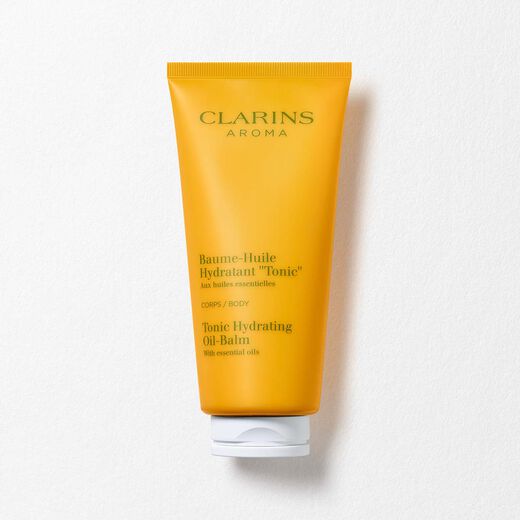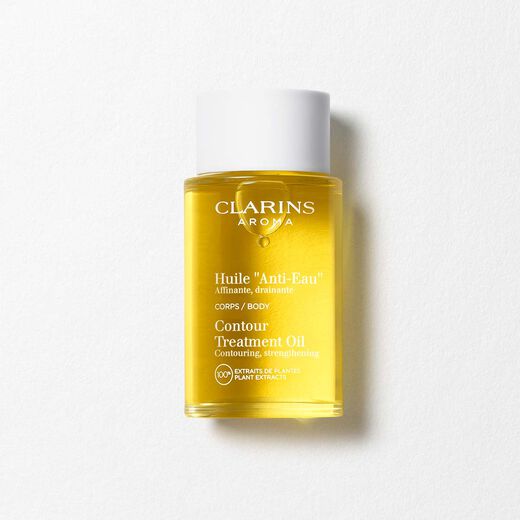
How to get rid of water retention?
That feeling of heaviness in the legs, swollen ankles at the end of the day, or a sudden sense of bloating: water retention is something many people experience at some point, and it can be both uncomfortable and frustrating. The good news is that with the right lifestyle habits and targeted
What is water retention?
Water retention, also called oedema or peripheral edema, occurs when excess fluid builds up in the body's tissues instead of being eliminated through normal circulation. This fluid buildup can cause swelling, particularly in the legs, ankles and feet, as well as a feeling of heaviness and rapid weight gain that is not related to fat.
The lymphatic system plays a central role in maintaining fluid balance. When lymphatic circulation slows down, excess fluid accumulates in the tissues rather than being drained away, leading to the bloating and swelling associated with water retention.
What causes water retention?
Water retention can be triggered by many factors, and understanding them is the first step to managing it effectively.
-Hormonal changes are one of the most common causes. Fluctuations in hormone levels linked to the menstrual cycle or oral contraceptives can cause the body to hold onto more fluid than usual, leading to temporary bloating and swelling.
-Diet and lifestyle play a significant role too. Too much salt in your diet is a key contributor, as sodium causes the body to retain fluid in order to maintain blood volume. Processed foods and refined carbohydrates are often high in hidden salt and can worsen fluid buildup. Alcohol can also disrupt the body's fluid balance and contribute to swelling.
-Physical inactivity is another factor. Staying in the same position for long periods, whether sitting at a desk or standing for hours, slows blood flow and can cause fluid to pool in the lower limbs, leading to swollen ankles and legs.
-Heat causes blood vessels to expand, which can allow more fluid to leak into surrounding tissues. This is why many people notice increased water retention during warmer months.
Other contributing factors include certain medical conditions such as kidney disease or liver conditions, as well as some medications. If water retention is persistent or accompanied by other symptoms, it is always worth speaking to a healthcare professional.
How to get rid of water retention: 5 lifestyle changes that help
The most effective approach to reducing fluid retention combines simple daily habits with targeted body care.
Drink more water
It may seem paradoxical, but drinking plenty of water is one of the most effective ways to decrease water retention. When the body is dehydrated, it holds onto fluid as a protective mechanism. Staying well hydrated supports healthy urine production and helps the body flush out excess fluid naturally.
Reduce salt in your diet
Cutting back on salty foods and processed foods is one of the most impactful dietary changes you can make. Opt for whole grains, brown rice, and fresh produce over packaged or ready-made meals, which are often high in sodium. A low-salt diet helps the body maintain a healthier fluid balance over time.
Move regularly
Physical activity is essential for supporting blood flow and lymphatic circulation. Even gentle movement such as walking or stretching helps prevent fluid from building up in the tissues. If you spend long periods sitting or standing, try to take regular breaks to move and encourage circulation in the legs.
Consider magnesium
Magnesium is a mineral that plays a role in supporting fluid balance in the body. Some research suggests that adequate magnesium intake may help reduce water retention, particularly in relation to hormonal changes during the menstrual cycle. Magnesium-rich foods include leafy greens, nuts, seeds and whole grains.
Wear compression socks
For those who experience swollen ankles or leg swelling after long periods of standing or sitting, compression socks can help support circulation and prevent fluid from pooling in the lower limbs. They are particularly useful during travel or long working days.
Boost your routine with targeted body care
Alongside lifestyle changes, a targeted skincare routine can make a meaningful difference to how the skin looks and feels when water retention is a concern.
Massage is one of the most effective tools for supporting lymphatic drainage. A draining massage technique, applied with firm but gentle pressure from the ankles upward, helps stimulate lymphatic circulation and encourage the body to eliminate excess fluid more effectively.
The
If water retention is your primary concern, the
Incorporate it into your morning or evening routine for best results, focusing on the legs, thighs and any areas where fluid tends to build up. Explore the full Clarins
When to seek further advice?
Water retention is often linked to lifestyle factors and responds well to the habits described above. However, it is important to recognise that persistent or severe swelling can sometimes point to an underlying health condition, such as kidney disease, liver conditions, or issues affecting blood pressure and blood vessels.
We recommend consulting a healthcare professional if:
-Swelling is severe, sudden or affects one limb significantly more than the other
-Water retention is accompanied by other symptoms such as breathlessness or chest pain
-You have an underlying condition that may be contributing to fluid retention
-Lifestyle changes do not improve symptoms after a reasonable period of time
Clarins is not a medical authority, and the advice shared here is intended to complement your wellbeing routine, not replace professional guidance
FAQ
What is the fastest way to lose water weight?
The most effective short-term steps are to reduce salt intake, drink plenty of water, and move regularly to stimulate circulation. A draining massage with a targeted
Can diet alone help reduce fluid retention?
Diet plays a significant role in managing water retention. Cutting back on sodium-heavy and ultra-processed foods while increasing your intake of whole grains, fresh vegetables and magnesium-rich foods can make a noticeable difference over time. Staying well hydrated is equally important.
Does water retention cause weight gain?
Water retention can cause rapid weight gain that is not related to fat. This type of weight fluctuation is linked to fluid buildup in the tissues and typically responds to lifestyle changes such as reducing salt intake and increasing physical activity.
Is water retention linked to the menstrual cycle?
Yes. Hormonal changes during the menstrual cycle can cause the body to hold onto more fluid than usual, leading to temporary bloating and swelling. This type of water retention is common and usually resolves on its own once hormone levels stabilise.
Can body massage help with water retention?
Yes. Stimulating lymphatic circulation through regular draining massage helps the body eliminate excess fluid more effectively. Pairing this with a targeted body oil enhances results and supports skin firmness over time.
You might like