
Glycolic acid vs Lactic acid: Benefits and differences
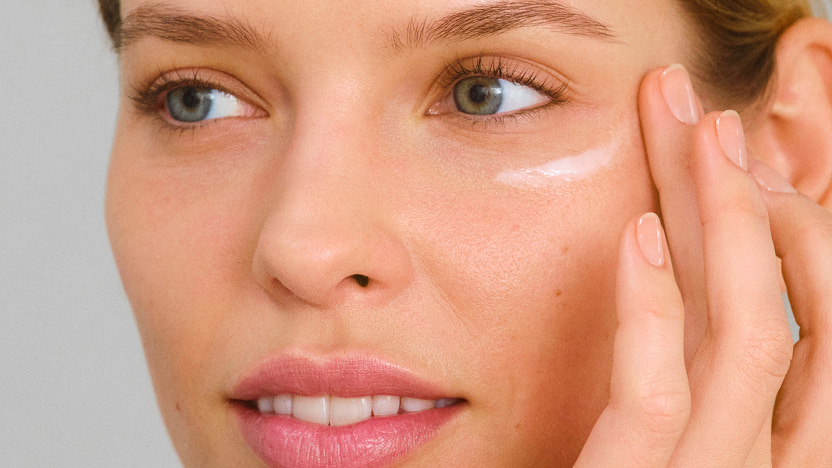
AHAs (Alpha Hydroxy Acids) are known for helping the skin look smoother, brighter, and more even, but not all AHAs work the same way. Two of the most common are glycolic acid and lactic acid. They both help refresh dull skin, but each has its own strength and comfort level.
What are AHAs?
AHAs are water-based exfoliants that help remove dead skin cells from the surface of the skin. This reveals skin that looks fresher, softer, and more radiant. The two AHAs used most often are Glycolic acid and Lactic acid.
Glycolic acid and Lactic acid: What’s the difference?
Glycolic acid and lactic acid are both AHAs, but they don’t work the same way. Glycolic acid has a smaller molecule, so it goes a little deeper and gives a stronger smoothing effect. Lactic acid has a larger molecule, stays more on the surface, and feels gentler, which makes it a great choice for sensitive or easily irritated skin.
Both help brighten and soften the skin, but the level of exfoliation is different. The right one for you simply depends on your skin’s sensitivity and the result you’re looking for.
The benefits of Glycolic and Lactic Acid
Glycolic acid benefits
Glycolic acid is one of the most popular AHAs because it gives the skin a smoother, more even look.
What glycolic acid can help with:
- Smoother-feeling skin
- A brighter, more radiant look
- Improving uneven texture
- Refreshing dull skin
If you want stronger exfoliation, glycolic acid is often the better choice.
Lactic acid: ideal for sensitive skin
Lactic acid is a gentle AHA that’s often recommended for sensitive skin or anyone new to acids.
What lactic acid can help with:
- Softer, smoother skin
- Mild exfoliation
- Comfort for sensitive skin
- Supporting natural hydration
If your skin reacts easily, lactic acid is usually the more comfortable option.
Which one should you use?
Choose glycolic acid if…
- You want a deeper exfoliation
- Your skin looks dull or textured
- You’re used to stronger resurfacing ingredients
Choose lactic acid if…
- You have sensitive skin
- You’re new to exfoliating acids
- You want a gentler, hydrating option
Some people alternate both (not on the same day) depending on how their skin feels.
How to use AHAs safely
- Start with 1-3 times a week
- Don’t layer multiple exfoliants together
- Use SPF daily when using AHAs
- Follow with hydration to keep skin comfortable
For extra comfort after using acids, a hydrating cream like
FAQ
Are glycolic acid and lactic acid the same?
No. Both are AHAs, but they don’t work the same way on the skin. They both help with radiance and texture, but at different levels.
Is lactic acid better for sensitive skin?
Yes. Lactic acid is usually easier for sensitive skin to handle because it works more on the surface. It also helps support hydration, which keeps the skin comfortable.
Can I use glycolic acid every day?
It depends on your skin’s tolerance. Many people use glycolic acid only a few times a week to avoid irritation. It’s best to start slowly and see how your skin reacts.
Can you combine glycolic and lactic acid?
Yes, but not on the same day. Alternating them is a safer way to enjoy the benefits of both without over-exfoliating the skin.
Do I need to wear SPF when using AHAs?
Yes. AHAs can make the skin more sensitive to the sun, so daily SPF is essential. It’s the best way to protect your skin while using acids.
Shop related products


