
What is the best sunscreen to wear under makeup?

Finding the best sunscreen to wear under makeup used to mean choosing between protection and a flawless base. Modern SPF formulas have changed that: lightweight, fast-absorbing textures now sit invisibly on the skin and let foundation glide on without a hitch. Here's how to choose the right facial sunscreen, the Clarins picks that work best as a daily base, and how to apply your SPF and makeup for a smooth, all-day finish.
What to look for in the best sunscreen under makeup
Texture, finish and skin type matter more than anything else when picking the best
A few essentials to check on the label:
-
-Broad spectrum protection against UVA and UVB rays.
-Lightweight and fast-absorbing texture.
-Invisible finish with no white cast on any skin tone.
-Non-comedogenic if you're prone to breakouts.
The best Clarins sunscreens to wear under makeup
Clarins offers several facial SPF options, each suited to a different need under makeup. Here's how to choose.
UV Plus Skin Barrier SPF50+ : the everyday urban hero
A fluid, invisible facial sunscreen designed for daily city life.
Youth-protecting Sunscreen Very High Protection SPF50+ : for nourishing daily protection
A moisturising SPF 50+ face cream that combines high sun protection with skincare benefits.
Youth-protecting Sunscreen High Protection SPF30 : a lighter daily option
The same formula in an SPF 30 version, ideal for less intense daily exposure or for those who prefer a lighter feel.
How to apply sunscreen with makeup
Even the best sunscreens can look terrible under makeup if applied incorrectly. The order and the technique matter just as much as the formula:
- Gentle cleanser
- Light serum (
vitamin C , niacinamide, etc.) - Moisturiser (skip if your SPF is hydrating enough)
- Facial sunscreen
- Makeup primer (optional, only if needed)
- Foundation, concealer, powder
Beyond the order of application, a few key habits make all the difference:
-Let each layer set: wait three to five minutes between SPF and makeup so the sunscreen forms an even, protective film. This is the single most effective step to prevent pilling.
-Press, don't rub: apply
-Match your bases: water with water, silicone with silicone. Mixing incompatible textures is the main cause of balling up.
-Use enough product: two finger lengths of fluid for face and neck. Skimping means getting a fraction of the labelled SPF.
Choosing the right sunscreen by skin type
Dry and mature skin benefit from hydrating ingredients like hyaluronic acid, glycerin and squalane in the SPF. These keep skin hydrated and prevent foundation from clinging to dry patches. Oily skin does better with lightweight, oil-free formulas that won't add to midday shine. Sensitive skin tends to prefer fragrance-free formulas with calming actives.
Common mistakes (and how to fix them)
-White cast: blend thoroughly or choose a formula with an invisible finish. A tinted base helps on deeper skin tones.
-Greasy or sliding makeup: too many rich layers. Cut one product (usually the heavy cream or primer) and stick to lighter textures.
-Pilling: space your steps, let each layer absorb, and match your bases (water with water, silicone with silicone).
-Not enough product: use two finger lengths for effective protection. Skimping is the most common reason SPF underperforms.
Reapplying sunscreen over makeup
SPF fades through the day with UV exposure, sweat and natural skin oils. For everyday use, reapply at least once midday. During intense exposure (beach, outdoor events), aim for every two hours.
The easiest way to top up without disturbing your makeup is a sun stick. The Clarins
FAQ
Can I skip moisturiser if my sunscreen feels hydrating enough?
For normal to oily skin, many facial sunscreens contain enough hydrating ingredients to replace moisturiser, especially in warm or humid weather. Very dry or mature skin usually still benefits from a separate moisturiser, particularly in winter or in air-conditioned environments.
Is SPF in my foundation enough sun protection if I wear a full face of makeup?
Not really. Foundations with SPF aren't applied in the thick, even layer required to reach the labelled value. Use a dedicated broad spectrum facial sunscreen as your primary protection, and treat any SPF in your makeup as a helpful bonus layer.
Will wearing sunscreen under makeup cause breakouts?
Non-comedogenic facial sunscreens are designed not to clog pores. Choose lightweight, oil-free formulas if you're prone to breakouts. Equally important: cleanse thoroughly in the evening to remove all SPF and makeup residue. A milk cleanser followed by a gentle gel or foam works well.
How do I avoid sunscreen stinging my eyes?
Apply sunscreen up to the orbital bone rather than directly on the eyelid, and let it fully set before applying eye makeup. Fluid and gel formulas tend to be better tolerated than thicker ones around the eye area.
Can I use my body sunscreen on my face under makeup?
Body sunscreens tend to be thicker, greasier or more heavily fragranced than facial formulas, making them unsuitable under makeup. A dedicated face sunscreen is formulated with a fast-absorbing texture and a smooth finish that lets foundation sit beautifully on top.
You might like
New

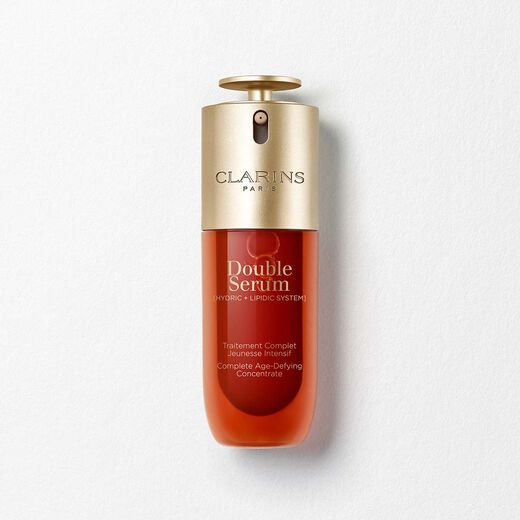
DOUBLE SERUM FOUNDATION - Hybrid and Glowy Serum Foundation
Next-generation serum foundation with a luminous satin finish, medium-to-full coverage and age-defying care for youthful looking skin

Body & Hair care
Revitalise your daily skincare routine with expert guidance.

Face
Explore methods to achieve a radiant glow for any skin type.

Eye care
Expert eye skincare advice for timeless beauty.

Make up
Enhance your beauty with a touch of make-up.

Men
For men seeking low-maintenance daily skincare.

