
How to get rid of stretch marks?

Stretch marks affect almost everyone at some point: women, men and teenagers alike. These fine lines that appear on the surface of the skin can be prevented, and their appearance can be visibly reduced with the right care. Understanding why they develop helps you anticipate them, and effective solutions exist to fade those already there. This guide takes you through the causes, the areas most often affected and the gestures that truly help.
What are stretch marks?
Stretch marks are a form of scarring that occurs in the dermis, the deeper layer of the skin. They develop when collagen and elastin fibres break down under the pressure of rapid or intense stretching. The skin tears from within, and these lesions become visible at the surface as narrow bands or streaks.
Their colour can vary depending on skin tone, from pink and purple on lighter skin to reddish-brown or dark brown on deeper skin tones, before lightening over time.
Where do stretch marks appear?
Stretch marks form on areas of the body where the skin experiences the most tension:
-Stomach and abdomen: the first area affected during pregnancy and rapid weight gain.
-Stretch marks on thighs: the inner and outer thighs are common spots during puberty and weight fluctuation.
-Hips and buttocks: sensitive to changes in volume.
-Breasts and chest: during pregnancy, breastfeeding or hormonal shifts.
-Arms: the inner arms, often during rapid muscle gain.
-Back: common in teenagers during growth spurts.
Why do you develop stretch marks?
Pregnancy stretch marks
Pregnancy is the most common cause in women. The stomach, breasts and hips stretch quickly, particularly in the third trimester. Hormonal changes simultaneously alter cortisol levels, which can weaken the fibres of the dermis. The combination of distension and hormones explains why
Rapid weight gain or loss
When weight changes quickly, the skin doesn't have time to adapt. Rapid weight gain stretches the fibres beyond their resistance. Sudden weight loss leaves the skin distended. In both cases, micro-tears form within the dermis.
Puberty and rapid growth
During puberty, the body changes rapidly. Teenagers grow taller, gain volume around the hips, thighs and chest. The skin can't always keep pace with this growth, which is why stretch marks also appear in young, slim people.
Hormonal factors
Cortisol, the stress hormone, reduces collagen production and weakens the skin's elasticity. Elevated cortisol levels, often linked to chronic stress or certain medications, raise the risk of stretch marks, even without weight changes.
Genetic predisposition
The skin's resistance to stretching varies from one person to another. If your parents have stretch marks, you're more likely to develop them too. Genetics influence the quality of collagen and elastin fibres in the dermis.
How to prevent stretch marks
Prevention is by far the most effective approach. Here are the gestures that help maintain skin elasticity and reduce the risk of new marks forming.
Moisturise your skin daily
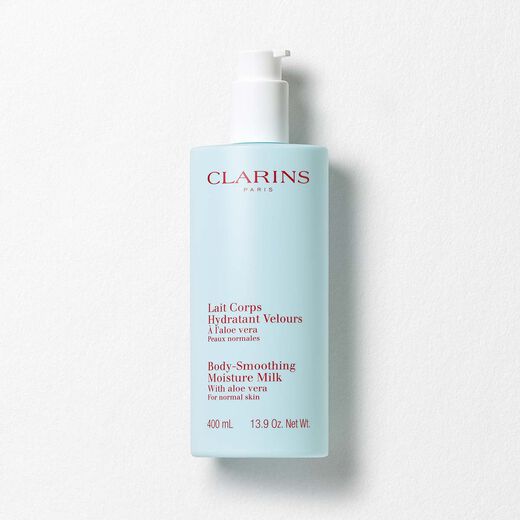
Well-hydrated skin is suppler and more resistant to stretching. Apply a
Massage at-risk areas
Massage stimulates circulation and helps active ingredients penetrate more deeply. Work in circular motions for a few minutes, morning and evening. This simple ritual improves the skin's suppleness and strengthens its resistance to stretching.
Monitor weight changes
Stretch marks appear mostly during rapid fluctuations. Whether gaining or losing weight, taking it gradually protects the skin. Avoid yo-yo dieting, which subjects the fibres to repeated stretching.
Prevent stretch marks during pregnancy
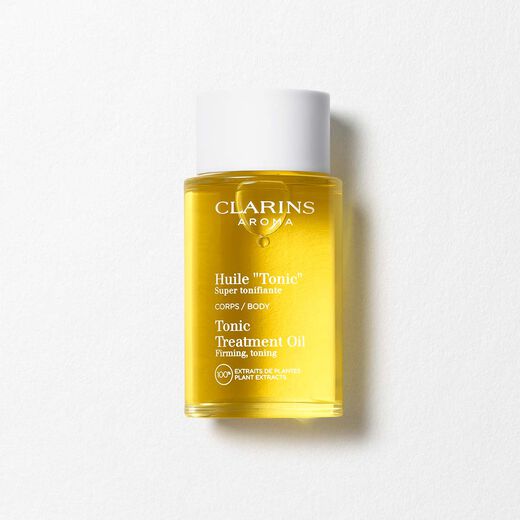
During pregnancy, prevention is your best ally. From the first trimester, massage your skin daily with a targeted routine. Massage in gentle circular motions, focusing on the bump, breasts, hips, thighs, lower back and buttocks. Continue this beauty ritual for several months after birth, to support your skin as it recovers.
Effective methods to reduce stretch marks
Stretch marks rarely disappear entirely without professional intervention. However, the right routine can significantly reduce their appearance, especially when you act early.
Act on early stretch marks
Red stretch marks are still in their inflammatory phase. This is the best time to take action. Targeted treatments penetrate more easily, and the dermal fibres can still partly restructure themselves. The longer you wait, the more the marks fade to white and become harder to treat.
Use a targeted treatment
For an enhanced effect, combine Body Partner with
If your stretch marks don't improve with regular care, you can speak to a dermatologist. Procedures such as laser treatments or micro-needling exist as complementary options, but they should always be carried out by a qualified professional.
Protect from the sun
Avoid exposing red stretch marks to direct sunlight during their inflammatory phase. Once tanned, early stretch marks become considerably harder to fade. If they're likely to be exposed, apply
White stretch marks don't tan. Applying sun protection helps avoid overemphasising the contrast between pale marks and tanned skin. To soften their appearance further, a
FAQ
Can stretch marks disappear completely?
Not entirely. Stretch marks are a form of dermal scarring, so they don't vanish completely. However, their appearance can be significantly reduced with the right care, especially if you act during the red phase. White stretch marks can also fade, but more gradually.
Do stretch marks affect everyone?
They're remarkably common. Stretch marks frequently appear during puberty, pregnancy and weight fluctuations. They're not linked to age, body shape or lifestyle. They are a natural phenomenon tied to the skin's elasticity.
Can a cream get rid of stretch marks?
A targeted cream or oil won't erase stretch marks, but it visibly reduces their appearance and improves skin texture. Results are best on red stretch marks. On white ones, creams and oils help maintain suppleness and limit their further development.
Are stretch marks bad for your health?
No. Stretch marks are a cosmetic concern, not a medical one, and they pose no risk to your health. If they appear suddenly without an obvious cause (no pregnancy, no weight change), it's worth speaking to a doctor to check for any underlying hormonal cause.
Can diet help prevent stretch marks?
A diet rich in vitamins C and E, essential fatty acids and zinc supports collagen production and helps maintain skin elasticity. It's not a guarantee, but skin nourished from within is better able to withstand stretching.
You might like

Body & Hair care
Revitalise your daily skincare routine with expert guidance.

Face
Explore methods to achieve a radiant glow for any skin type.

Eye care
Expert eye skincare advice for timeless beauty.

Make up
Enhance your beauty with a touch of make-up.

Men
For men seeking low-maintenance daily skincare.

