
What to do for sunburn?
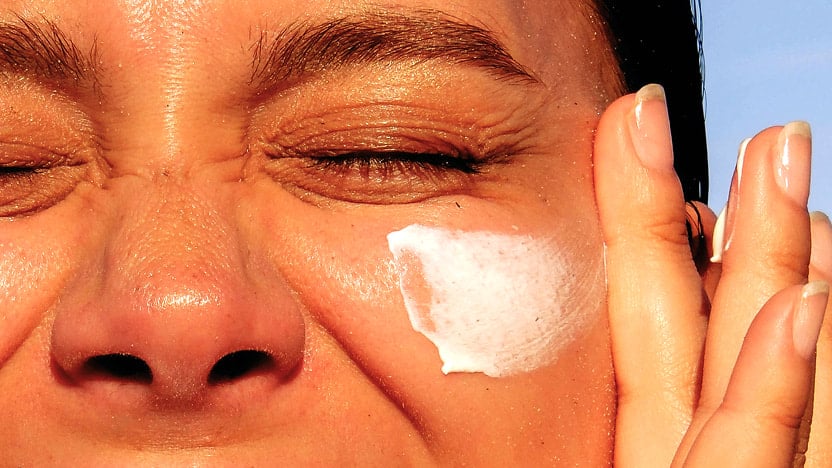
Spending time outdoors is one of life's simple pleasures, but too much sun exposure without the right protection can leave your skin red, sore, and damaged. Sunburn is more common than you might think, and its consequences go far beyond a few uncomfortable days. Understanding what causes it, how to treat it, and how to prevent it is essential to keeping your skin healthy in the long run.
What is sunburn, exactly?
Sunburn occurs when the skin is overexposed to UV rays, whether from the sun or artificial sources such as
There are two main types of sunburn:
Mild erythema raises the skin's temperature and causes redness and sensitivity to the touch. This is the equivalent of a first-degree burn, and typically resolves within a few days with proper care.
Intense erythema is more severe and leads to blistering. This is a second-degree burn, and should be taken seriously, especially if large areas of the body are affected.
UV rays come in two forms that affect the skin differently. UVB rays are primarily responsible for sunburn, damaging the surface layers of the skin. UVA rays penetrate more deeply and are a key driver of premature ageing. Both types increase the risk of skin damage over time, and those with fair or white skin are at higher risk of burning quickly, even with relatively brief exposure.
Recognising the symptoms of sunburn
Sunburn symptoms typically appear within a few hours of sun exposure and can include redness and warmth on exposed skin, pain and sensitivity to the touch, swelling of the affected areas, headache and dehydration, and in more severe cases, fever or blisters developing on the skin.
If you experience severe swelling, severe blistering, fever, or feel unwell beyond skin irritation, it is important to seek medical advice and consider an urgent GP appointment, particularly for young children or those with
What to do for sunburn: 5 steps to take
Acting quickly and correctly when sunburn appears makes a real difference to how your skin heals. Here is what to do.
1. Get out of the sun immediately
The first and most important step is to remove yourself from direct sunlight. Find shade or go indoors, and avoid any further exposure until your skin has fully recovered. This applies especially to unprotected skin that is already showing signs of redness.
2. Cool the skin down gently
A cool shower or cool bath can help ease sunburn and bring relief to hot, inflamed skin. Avoid cold water or ice, which can cause additional shock to already irritated skin. Gently pat the skin dry rather than rubbing, to avoid further irritation.
3. Rehydrate from the inside and outside
Sunburn draws moisture away from the body, often leaving skin feeling tight and dry. Drink plenty of water to help your body recover and support the skin's natural healing process. Dehydration is a common side effect of too much sun exposure, so keep hydrated throughout the day.
4. Apply a soothing after-sun product
Once the skin has cooled, apply an after-sun treatment specifically formulated to soothe, hydrate, and support recovery. The
5. Avoid further irritation
While your skin heals, steer clear of tight clothing on sunburnt areas, petroleum jelly or heavy occlusive products on blistered skin, and picking or peeling skin as it begins to shed. If blisters develop, do not burst them, as they protect the skin underneath as it heals. If they break on their own, keep the area clean to avoid infection.
How to prevent sunburn?
Prevention is always better than treatment. Select a
Sun protection should also be part of your daily routine, not just reserved for beach days. Even on overcast days, UV rays penetrate cloud cover and can cause skin damage over time. After any sun exposure, support your skin with a hydrating, soothing
When to seek medical help
Sun exposure is one of the most significant long-term risks to skin health. Beyond the discomfort of sunburn, UV rays break down skin cells over time, contributing to premature ageing, eye damage, and a higher risk of serious skin conditions. Clarins is not a medical authority, and the advice shared here is intended to support your skincare routine, not replace professional guidance.
If you or someone in your care experiences any of the following, we recommend seeking medical help promptly:
-Severe blistering covering a large area of the body
-High fever or chills alongside sunburn
-Signs of infection around blisters, such as increased pain, oozing or spreading redness
-Muscle cramps, dizziness or faintness, which can indicate heat exhaustion
-Symptoms that do not improve after several days of home care
When in doubt, always consult a healthcare professional.
FAQ
How long does sunburn last?
Mild sunburn typically resolves within three to five days. More severe sunburn, with blistering or intense redness, can take up to two weeks to heal fully. During this time, keep the skin hydrated, avoid further sun exposure, and apply a soothing after-sun product to support the skin's recovery.
Can sunburn cause long-term damage to the skin?
Yes. Repeated sunburns have serious long-term consequences. UV rays break down collagen and elastin in the skin, contributing to premature skin ageing, fine lines, and loss of firmness. Frequent sun damage also increases the risk of skin cancer and can lead to precancerous skin lesions over time. This is why consistent sun protection is so important, even on cloudy days.
Is it safe to use aloe vera on sunburn?
Can you get sunburnt on a cloudy day?
Yes. UV rays penetrate cloud cover and can cause skin damage even when the sun is not directly visible. It is important to apply sun protection year-round, regardless of the weather, especially in environments where UV rays are reflected by water, sand, or snow.
What should I avoid putting on sunburnt skin?
Avoid petroleum jelly or heavy occlusive products on blistered skin, as these can trap heat and worsen irritation. Do not pick or peel skin as it begins to shed, and avoid any harsh exfoliants or active skincare ingredients until the skin has fully healed. When in doubt, keep your routine simple and gentle.
You might like

Body & Hair care
Revitalise your daily skincare routine with expert guidance.

Face
Explore methods to achieve a radiant glow for any skin type.

Eye care
Expert eye skincare advice for timeless beauty.

Make up
Enhance your beauty with a touch of make-up.

Men
For men seeking low-maintenance daily skincare.

